What’s behind it
Bowel and bladder issues often come from nerve or muscle dysfunction. That means they respond to the kind of targeted, hands-on care pelvic physical therapy provides.
More common than you think
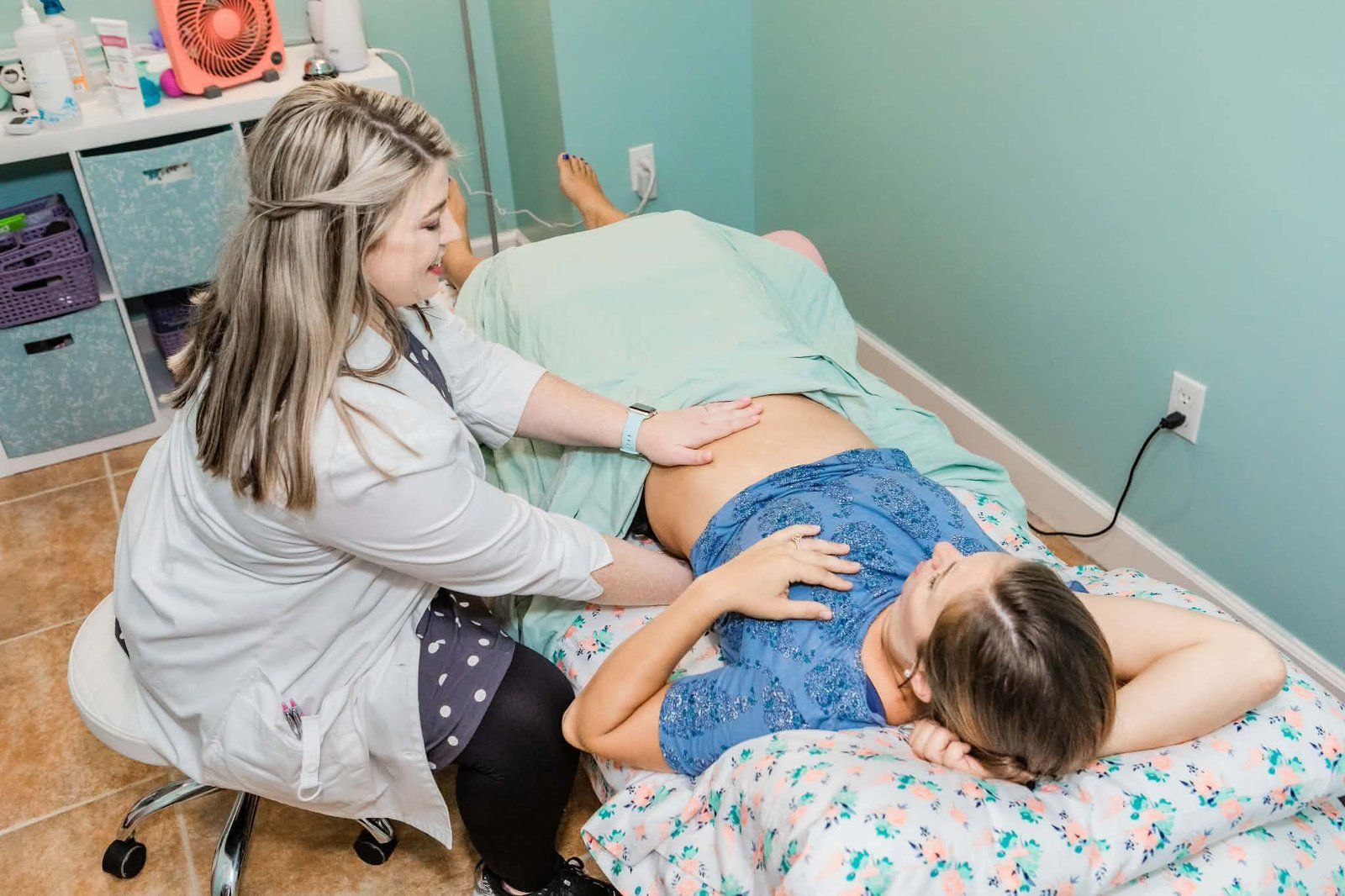
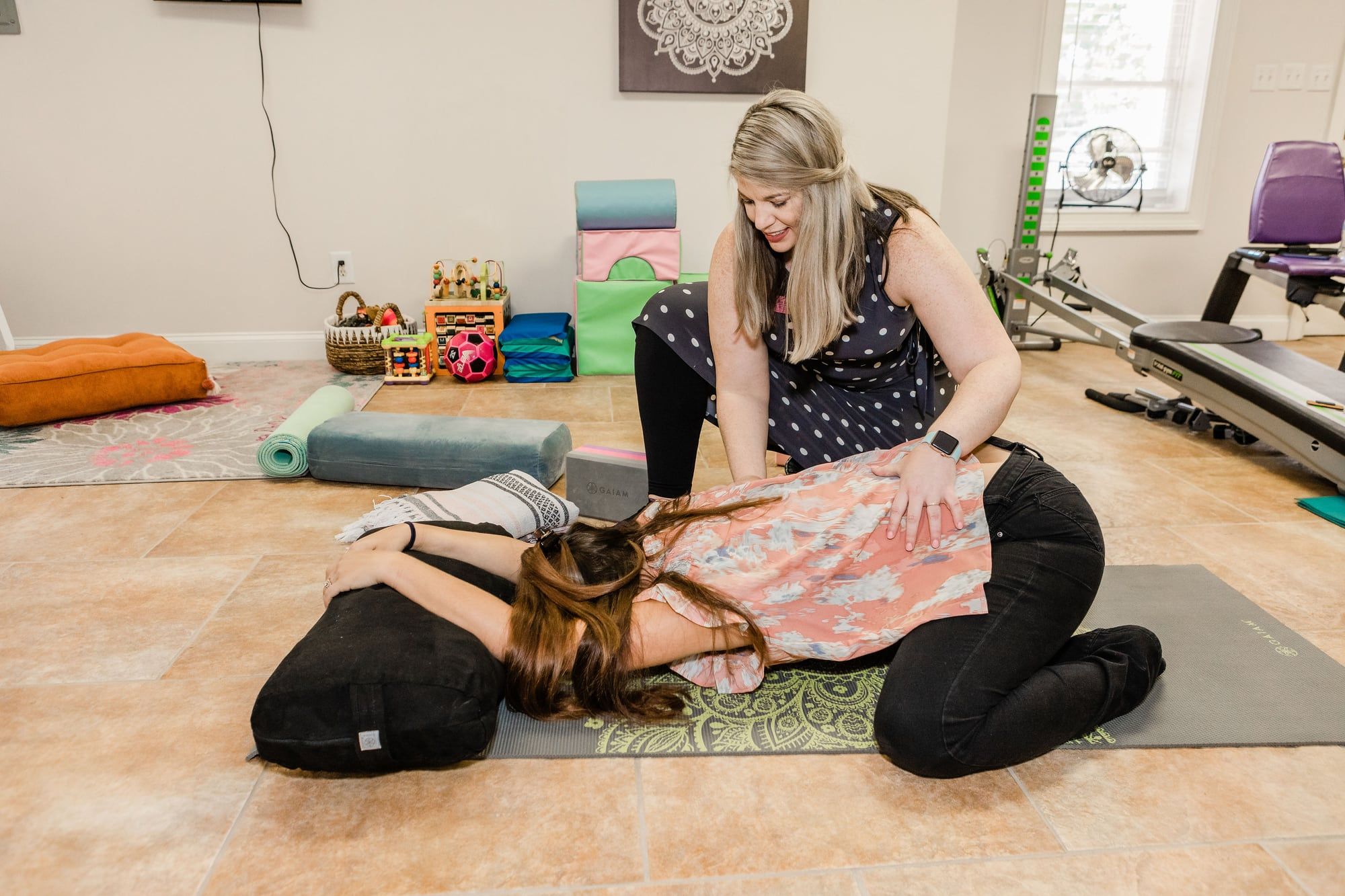
Ways we can help
Pelvic floor retraining
Leaking urine is likely a muscle issue that physical therapy can help resolve.
Bladder retraining
Strategies to calm urgency, reduce trips to the bathroom, and improve emptying.
Constipation management
Bowel massage and vagus nerve stimulation are great ways to help get things moving.
Tibial nerve stimulation
One of several treatments available for urinary urgency and frequency.
Bladder & Bowel, explained
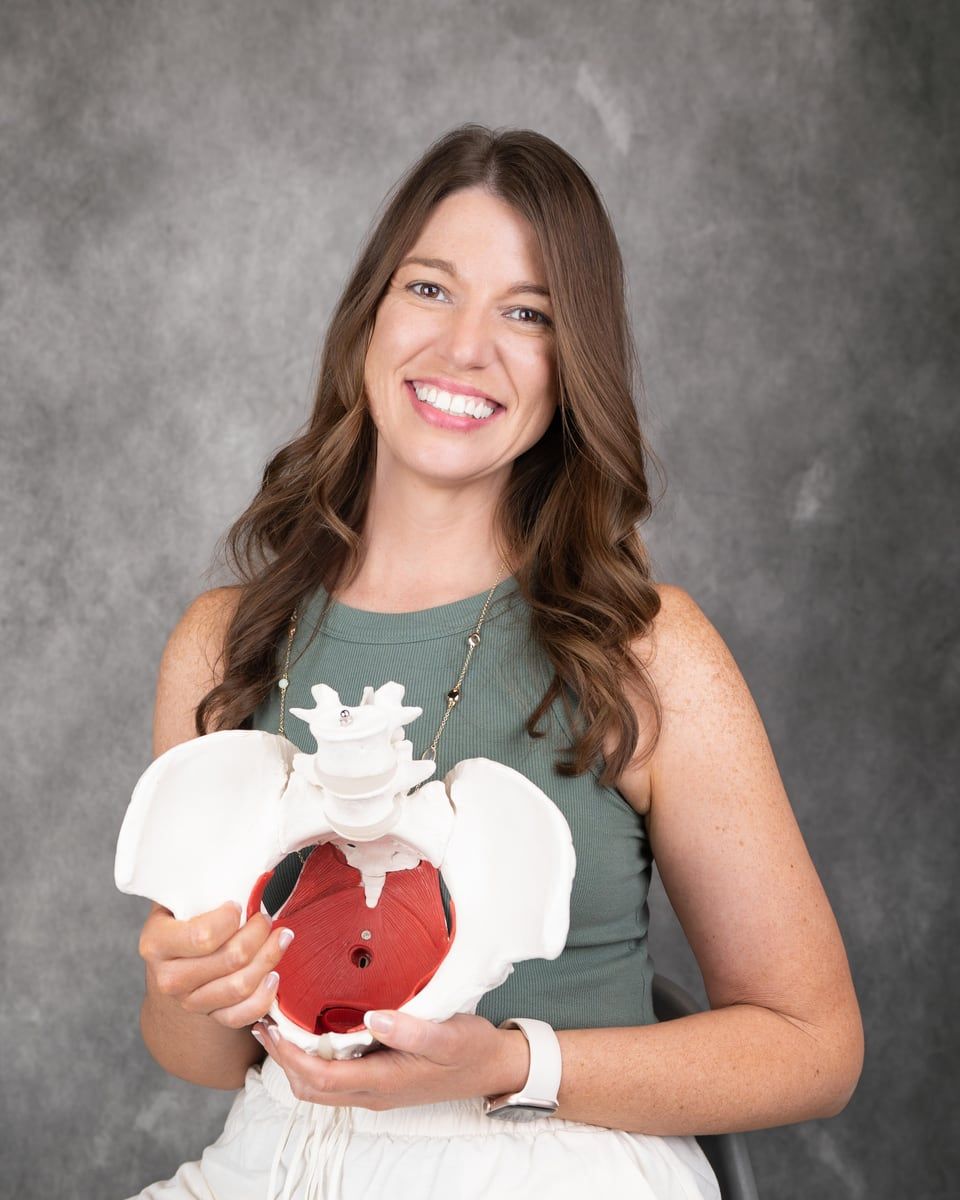
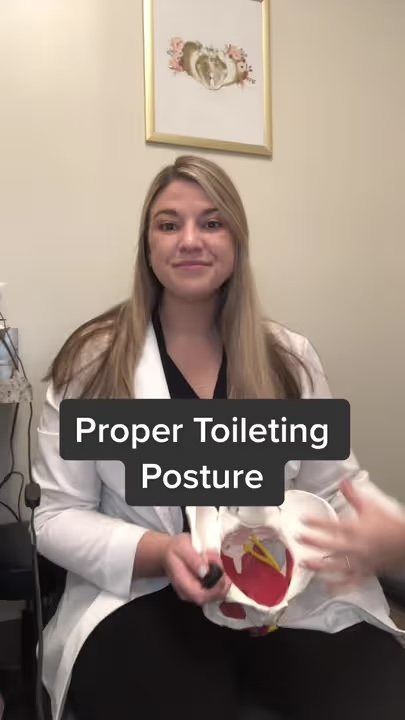
Short videos from Dr. Jazma’s TikTok, where 175K+ people follow her for straight talk about pelvic health.






Questions we hear
Is leaking after having a baby normal?
Leaking urine after you have a baby is a common issue: about 1 in 3 women have some leakage in the first year.2 However, common doesn’t equal normal. It is likely a muscle issue that PT can help resolve.
Sources
- Prevalence and trends of urinary incontinence in adults in the United States, 2001 to 2008. Journal of Urology (Markland et al.), 2011. (opens in a new tab)
- Prevalence, incidence and bothersomeness of urinary incontinence between 6 weeks and 1 year post-partum: a systematic review and meta-analysis. International Urogynecology Journal (Moossdorff-Steinhauser et al.), 2021. (opens in a new tab)