
What BPPV is
The vestibular system is made up of the brain, inner ear, vision, and sensation, and they all work together to maintain your body’s balance. If the system is damaged, the body’s balance is affected.
Benign paroxysmal positional vertigo (BPPV) is a common cause of vertigo.1 Benign means it isn’t life-threatening, paroxysmal means it comes on suddenly in short spells, and positional means certain head positions set it off.
Common signs
- Brief spells of spinning when you roll over in bed, lie down, or sit up
- Dizziness when you look up or bend forward
- Nausea that comes with the spinning
- Feeling off balance or unsteady afterward
How physical therapy can help
Your therapist will ask about your symptoms and what triggers them, then use positional testing to find which part of the inner ear is involved.
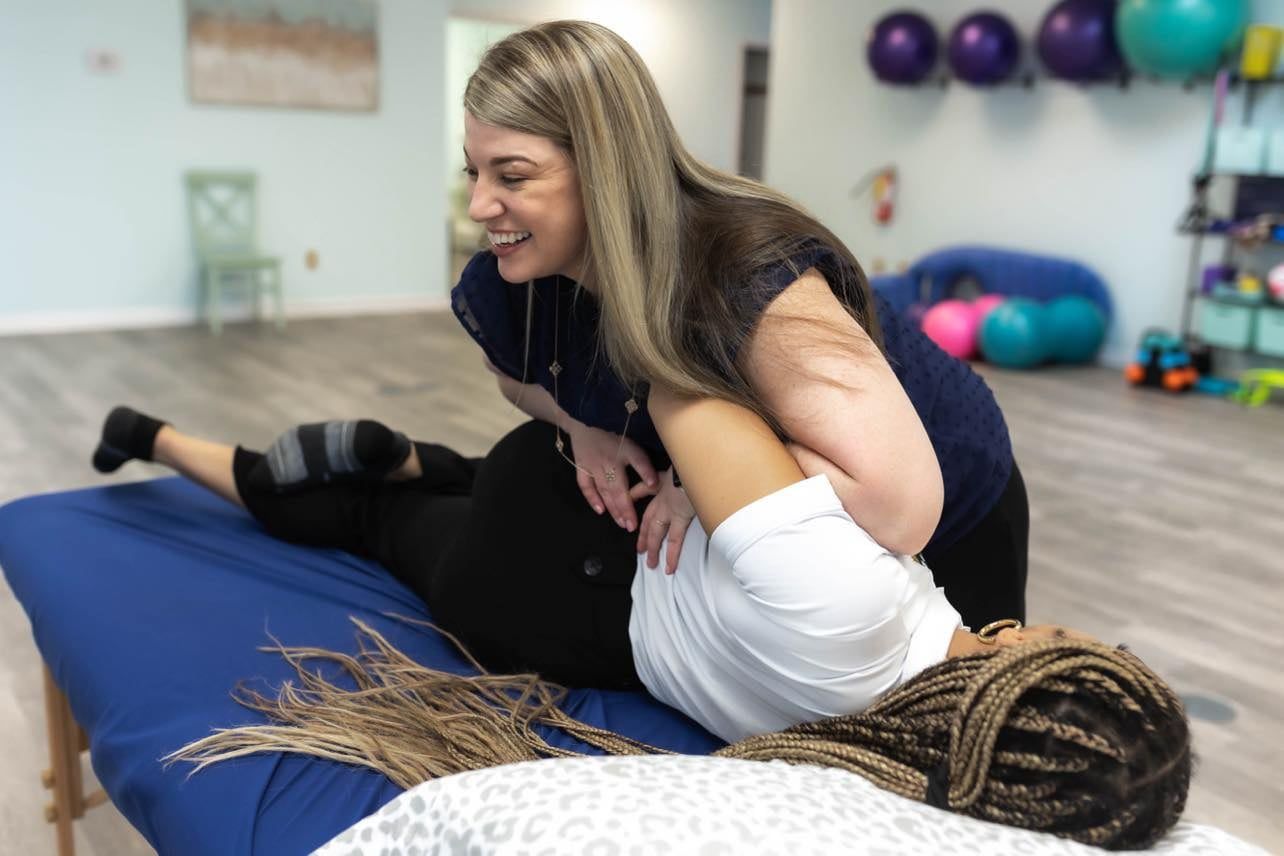
BPPV is commonly treated with repositioning maneuvers: a series of guided head and body positions that move the loose crystals out of the canals. Vestibular rehab can also help with any balance problems that linger afterward.
Questions we hear
Is all vertigo BPPV?
No. BPPV is one common cause, but dizziness and vertigo have many causes. Vestibular hypofunction, for example, can mimic BPPV. Your evaluation helps sort out what’s going on and whether vestibular therapy is the right fit.
When is vertigo an emergency?
Call 911 if vertigo comes with a sudden severe headache, chest pain, trouble speaking, weakness or numbness, double vision, or fainting.
Sources
- Benign Paroxysmal Positional Vertigo (BPPV). American Academy of Otolaryngology–Head and Neck Surgery (ENTHealth.org), 2024. (opens in a new tab)