What the SI joints do
The sacroiliac (SI) joints connect the base of your spine to your pelvis, one on each side, and help move load between your upper body and your legs.
One of the many jobs of the pelvis is to transfer load across it. When an SI joint isn’t moving well, pain can show up in the low back, hip, buttock, or leg.
Pregnancy, postpartum & hypermobility
Hormones released during pregnancy, including prolactin, reduce ligament laxity but can cause the joints to feel stiff.
Hypermobility can also play a role. When the connective tissue that holds joints together is looser, joints can move past their normal range and become painful.
How we can help
Pain relief
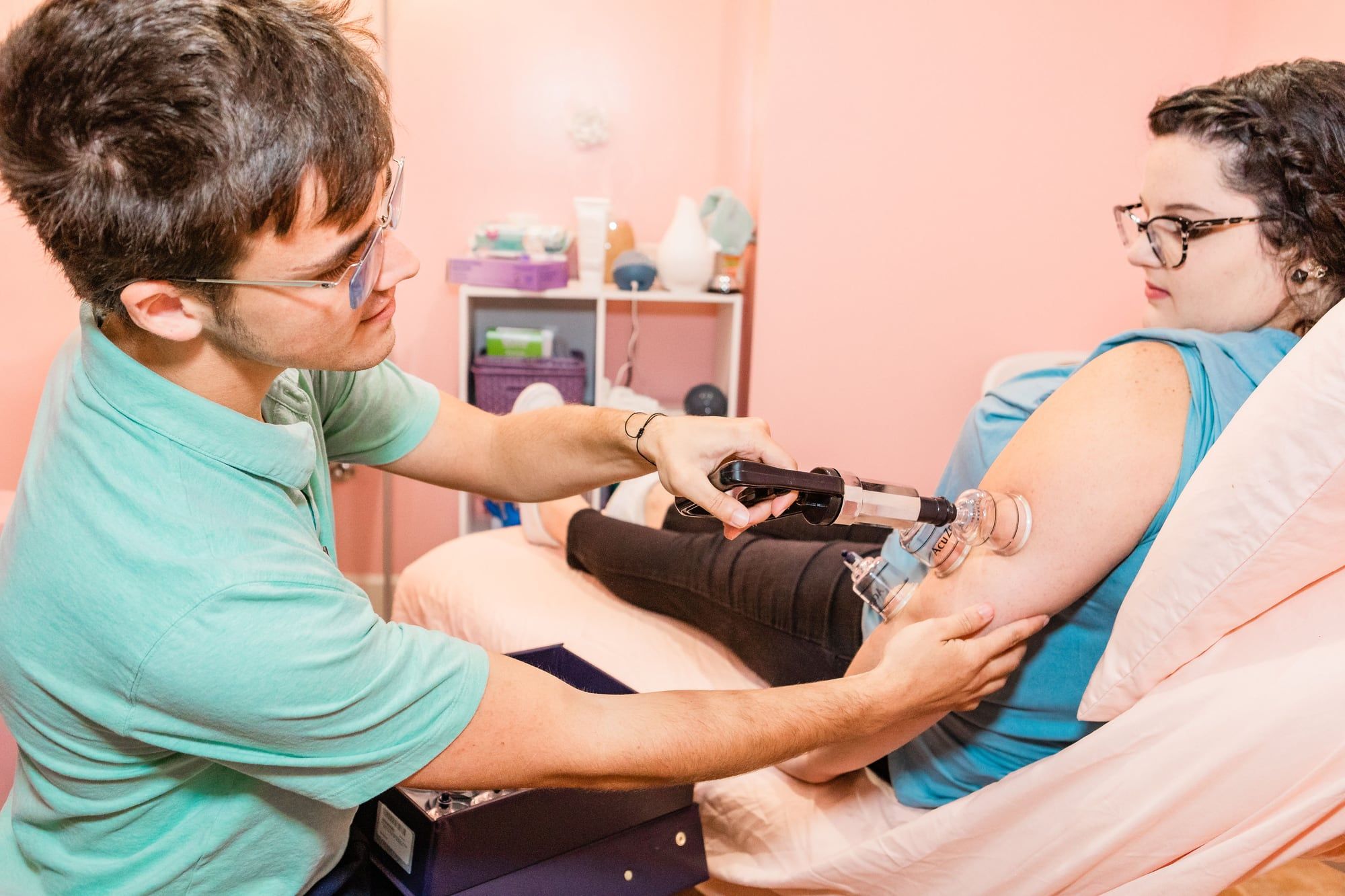
Hot and cold packs, soft tissue work including gentle stretching and massage, and electrotherapy (TENS).
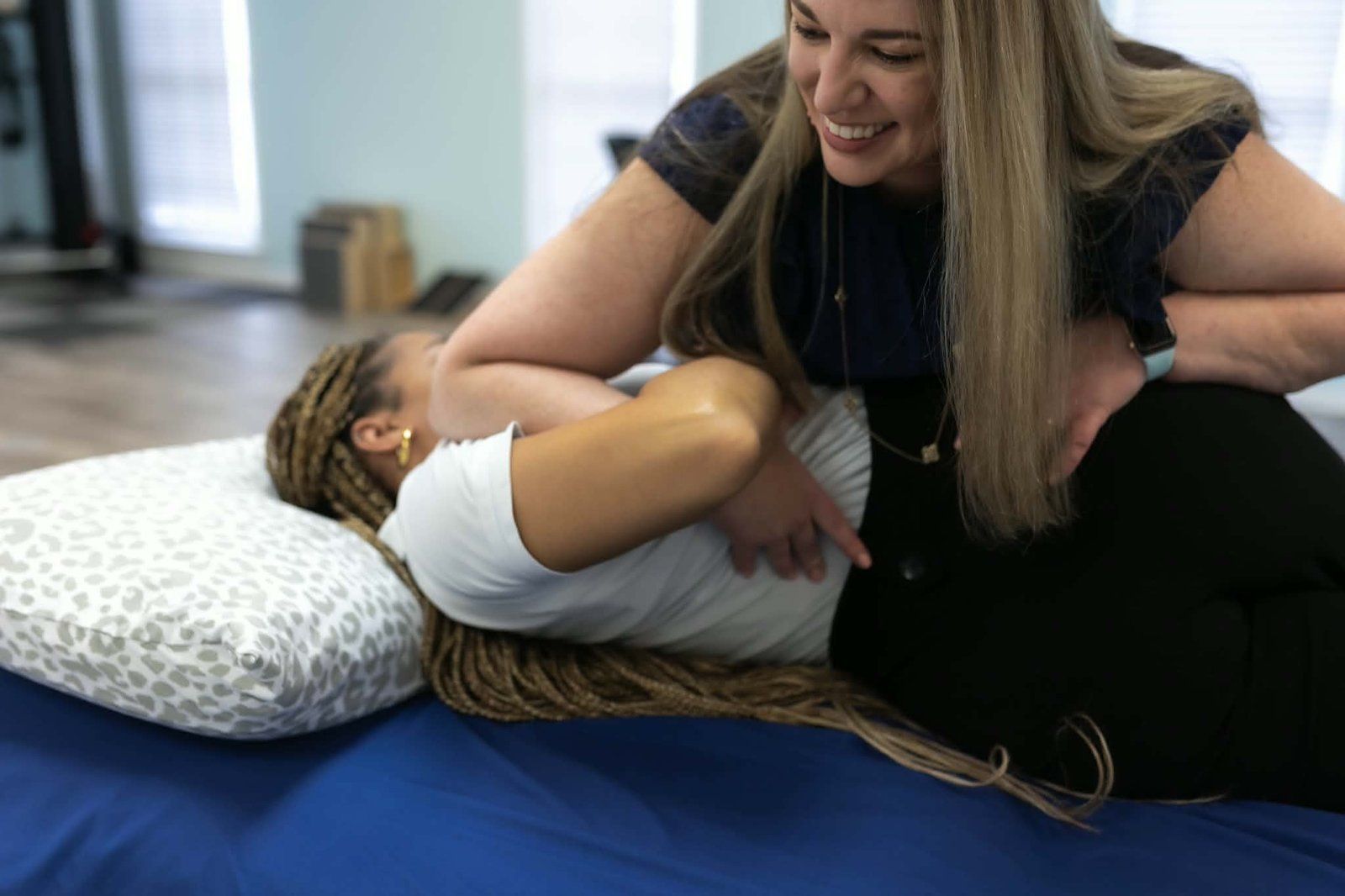
Myofascial release
Specific hands-on techniques mobilize trigger points and tight muscles to help alleviate pain.
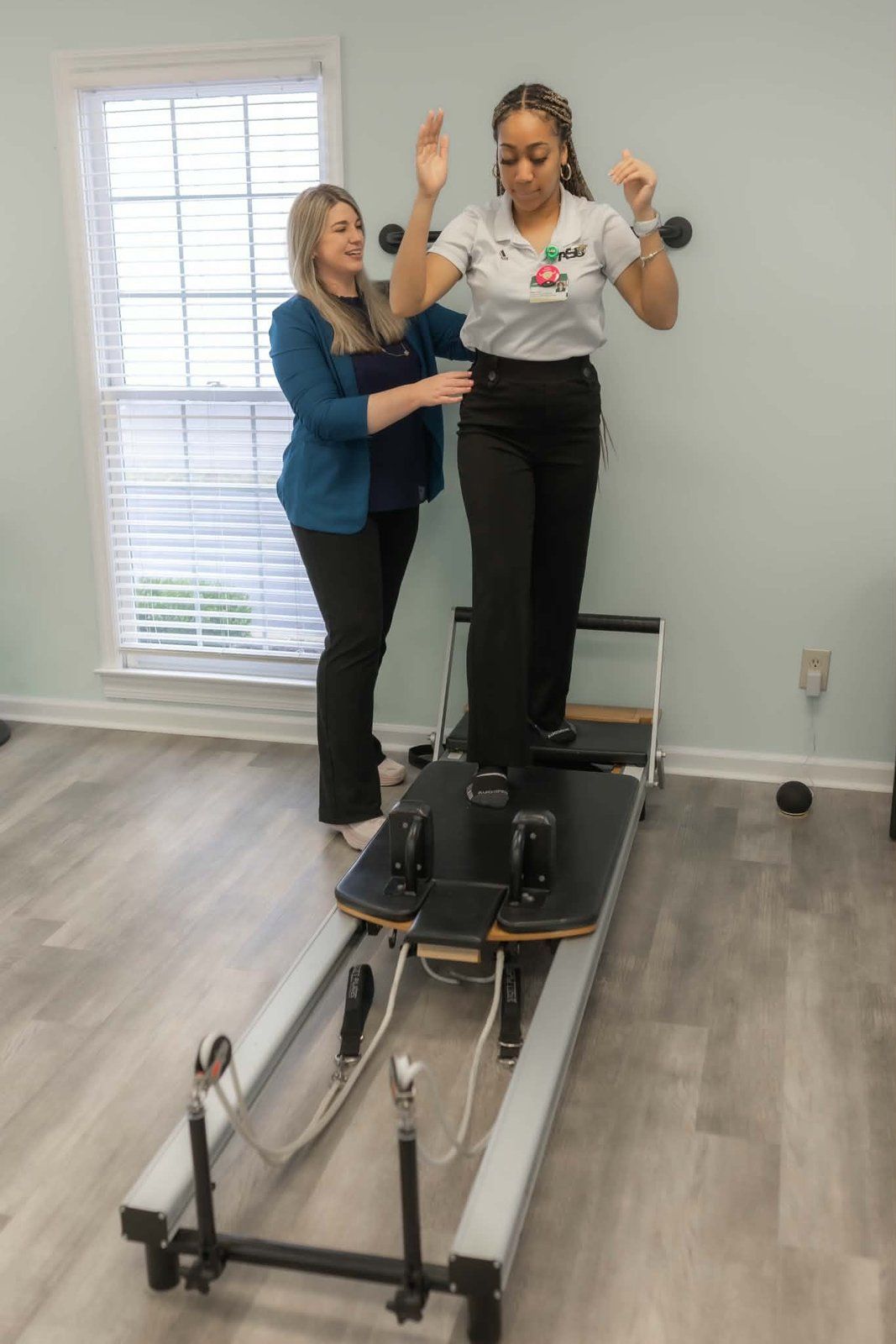
Muscle strengthening
Joint stability, muscle strength, and better dynamic muscle control help support the joint and minimize trauma to it.
External support
A brace or tape can support a painful or unstable joint, allowing movement while it heals.
SI Joint Dysfunction, explained
Short videos from Dr. Jazma’s TikTok, where 175K+ people follow her for straight talk about pelvic health.

Questions we hear
Is SI joint pain common during pregnancy?
Yes. Pregnancy-related pelvic girdle pain, which includes pain around the SI joints, affects about 1 in 5 pregnant women.1 But being pregnant does not have to mean being in pain, and pelvic physical therapy can play a significant role in helping you be pain-free.
Sources
- European guidelines for the diagnosis and treatment of pelvic girdle pain. European Spine Journal (Vleeming et al.), 2008. (opens in a new tab)