
Why pelvic pain moves around
One of the many jobs of the pelvis is to transfer load across it. Because of that mechanism, pelvic pain often travels from side to side or even front to back.
The pelvis is made up of many muscles. When those muscles don’t function properly, pain and dysfunction can occur. Our team is committed to finding the underlying cause for the issue with your tissues.
You are not alone
- U.S. women of childbearing age report pelvic pain lasting 6 months or longer1
- 1 in 7
How we can help
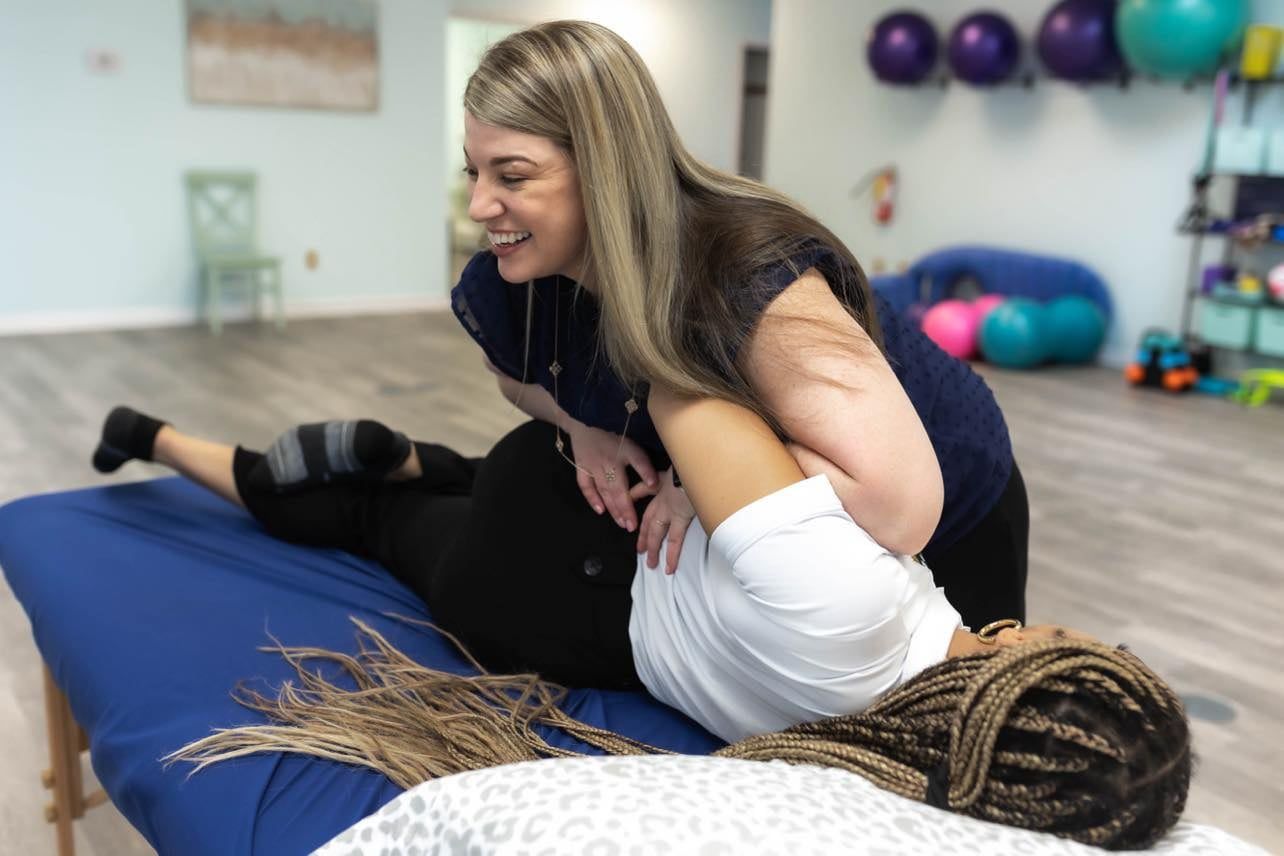
Myofascial release
Specific hands-on techniques mobilize trigger points and tight muscles to help alleviate pain.
Education
Understanding your own anatomy and how the pelvis works is part of every plan of care.
A team approach
With your permission, we collaborate with your healthcare team to aid you in your health and healing journey.
Pelvic Pain, explained
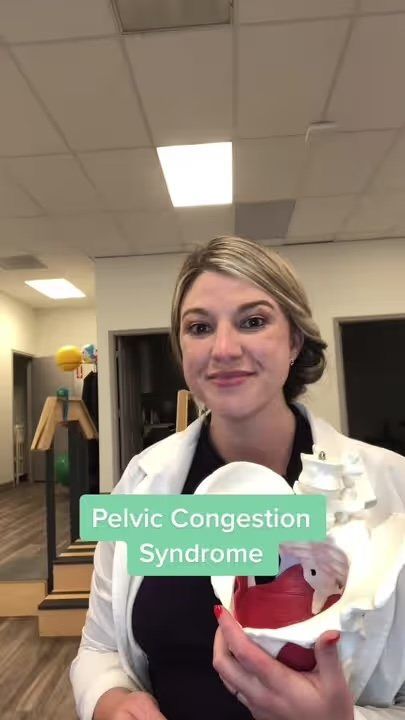
Short videos from Dr. Jazma’s TikTok, where 175K+ people follow her for straight talk about pelvic health.




Questions we hear
Is pelvic pain something I just have to live with?
No. Common doesn’t equal normal. Pelvic pain often comes from muscles that aren’t functioning properly, and that is something physical therapy can help with.
Can I bring my kids to my appointment?
Yes. We offer free childcare during your session so you can focus on your care.
Sources
- How many women have pelvic pain?. Eunice Kennedy Shriver National Institute of Child Health and Human Development (NIH), 2025. (opens in a new tab)