Helping kids gain confidence and control over their bladder and bowels
At Gadsden Pelvic Rehab, we provide specialized pediatric pelvic health physical therapy to help children improve bladder and bowel function, develop healthy bathroom habits, and feel more confident in their daily lives.
Bathroom accidents aren’t always behavioral, and children should never feel embarrassed or ashamed about them.
What conditions can pediatric pelvic health PT help?
Our pediatric pelvic health program addresses a variety of bladder and bowel concerns, including:
Bedwetting
Involuntary urination during sleep, particularly in children who continue wetting the bed beyond the typical age of nighttime bladder control.
Daytime urinary accidents
Urine leakage during school, play, sports, or other daily activities.
Urinary urgency and frequency
Frequent trips to the bathroom, sudden urges to urinate, or difficulty postponing urination.
Constipation
Hard or painful stools, infrequent bowel movements, stool withholding, or difficulty completely emptying the bowels.
Fecal incontinence (encopresis)
Stool leakage or accidents, often associated with chronic constipation and stool retention.
Dysfunctional voiding
Difficulty coordinating the pelvic floor muscles during urination, which can contribute to incomplete emptying, interrupted urine flow, and urinary symptoms.
Pelvic floor muscle coordination problems
Difficulty appropriately contracting or relaxing the pelvic floor muscles during bladder and bowel activities.
Did you know constipation can cause urinary accidents?
Many parents are surprised to learn that constipation can contribute to both daytime urinary accidents and bedwetting.
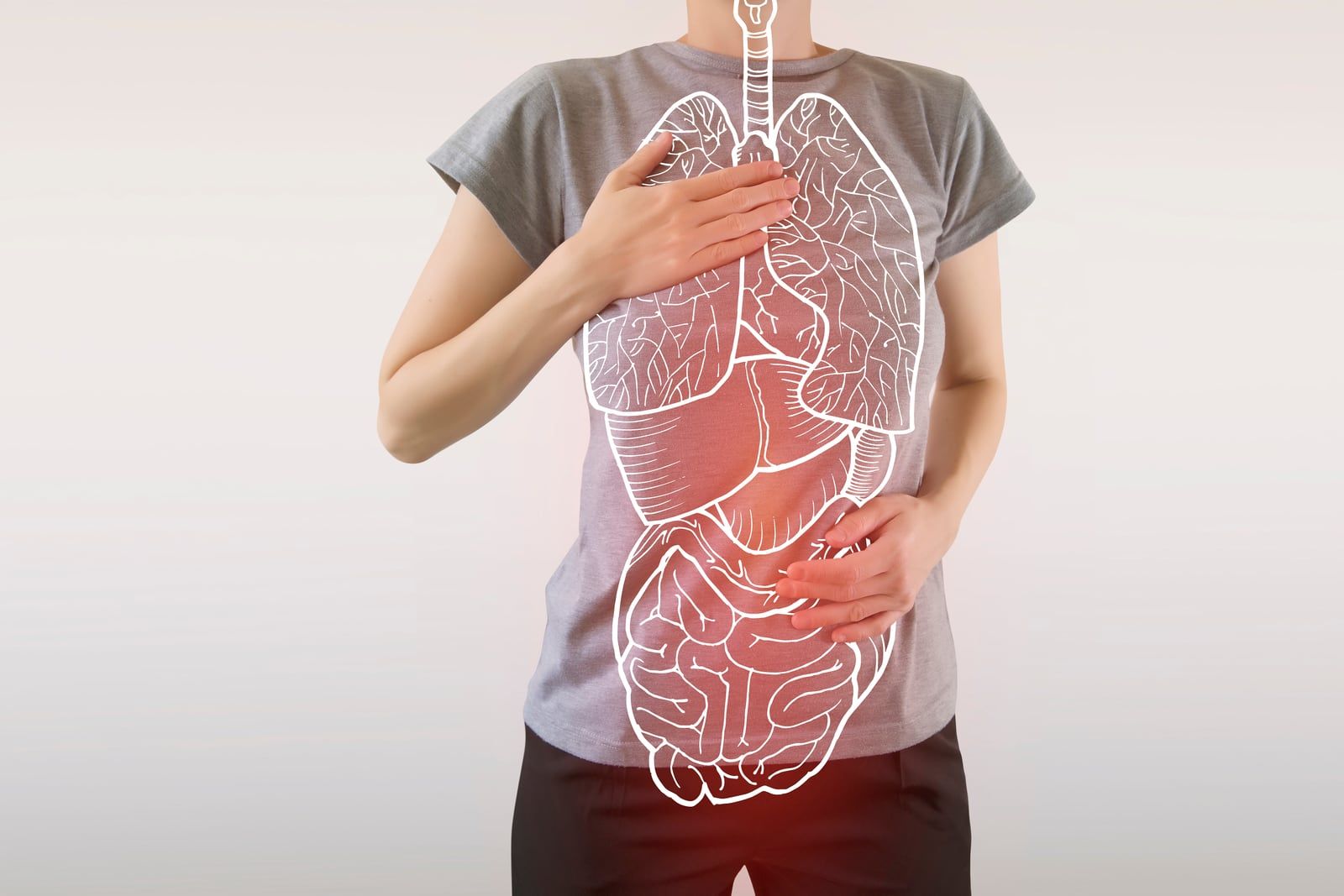
When stool builds up in the rectum, it can affect how the bladder stores and empties urine. Children may experience urinary urgency, frequent bathroom trips, or leakage, even when constipation isn’t their most obvious symptom.
And here’s something else parents may not realize: a child can have bowel movements every day and still be constipated.
Recognizing and addressing bowel dysfunction can be an important part of improving bladder control.
How does pediatric pelvic health physical therapy work?
Our approach focuses on helping children understand how their bodies work while giving families practical strategies to improve bladder and bowel habits.
Treatment may include:
Bladder and bowel education
We teach children and caregivers how the bladder, bowels, and pelvic floor muscles work together. Understanding what’s happening inside the body helps children participate in their treatment.
Toileting posture and bathroom habits
Proper positioning on the toilet can make a significant difference in how effectively children empty their bladder and bowels. We help families establish healthy bathroom routines and reduce stool withholding behaviors.
Pelvic floor muscle coordination
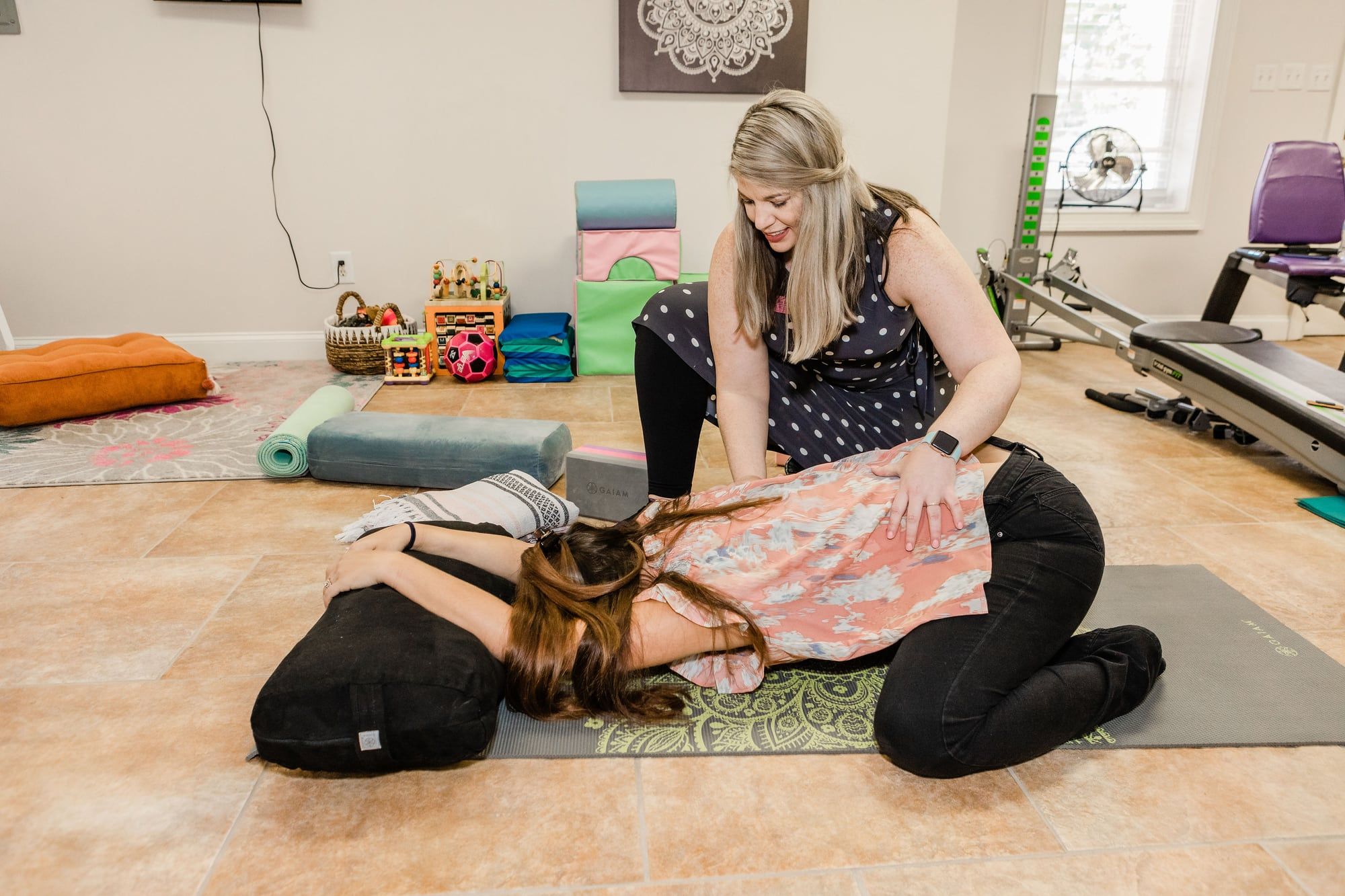
The pelvic floor muscles must be able to contract and relax at the appropriate times. Therapy may include exercises, breathing techniques, and movement activities to improve muscle coordination.
Biofeedback training
When appropriate, we may use noninvasive surface electromyography (sEMG) biofeedback to help children see how their pelvic floor muscles are working. This provides visual feedback to help them learn when to contract and relax their muscles.
Constipation management
We provide education on bowel routines, stool consistency, fluid intake, fiber, and strategies to support more comfortable and complete bowel movements. We coordinate with medical providers when additional management is needed.
Family education and home strategies
Parents and caregivers are important members of the treatment team. We provide practical strategies families can use at home to support progress between visits.
What happens at the first appointment?
We understand that talking about bathroom problems can be uncomfortable, especially for children. Our first visit is designed to be comfortable, educational, and age-appropriate.
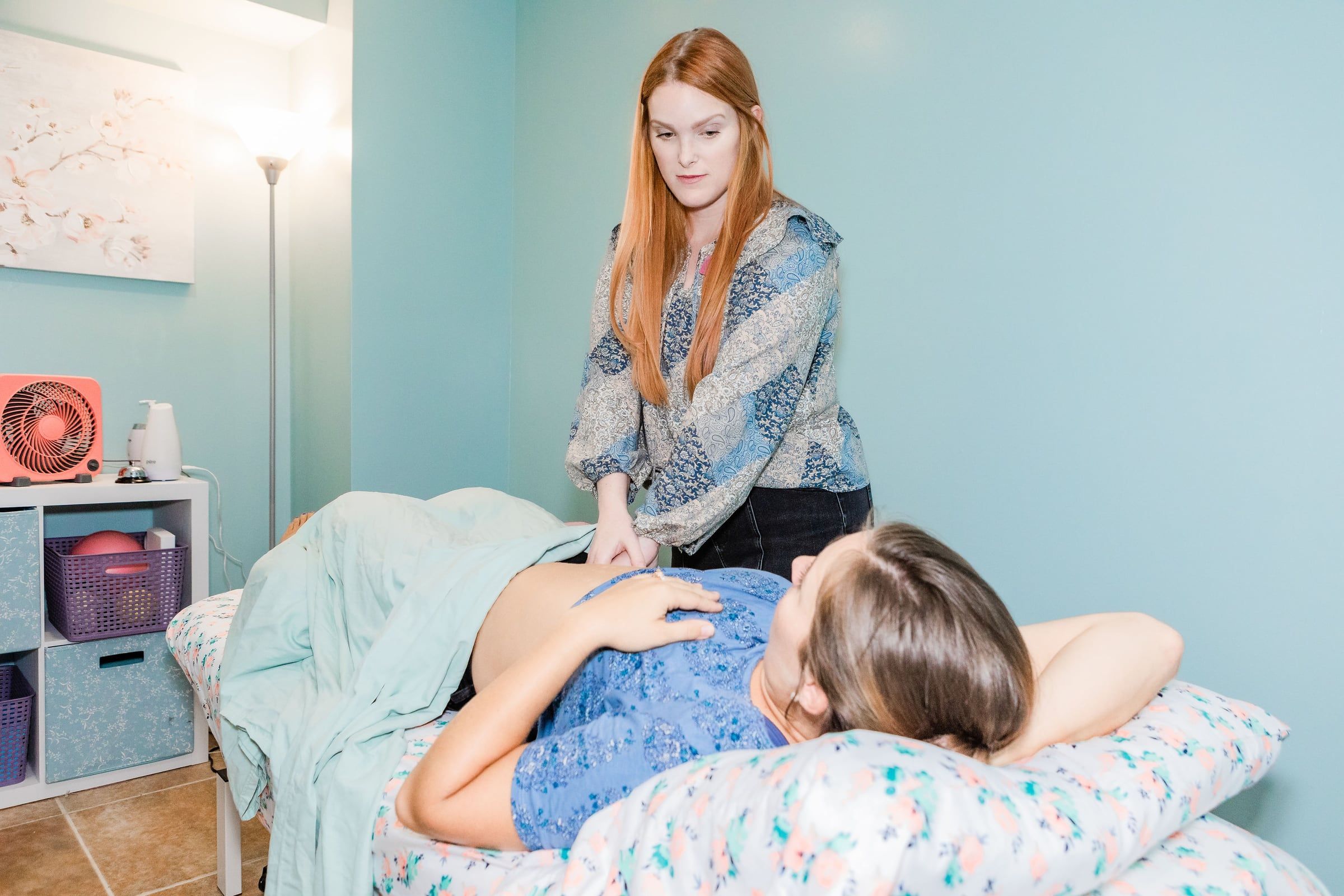
Your child’s physical therapist will discuss their bladder and bowel history, bathroom routines, symptoms, and any concerns you may have. The evaluation may include assessment of posture, breathing, abdominal muscle function, movement, and coordination.
Internal pelvic floor examinations are not part of our routine pediatric pelvic health evaluations. Treatment emphasizes noninvasive techniques, education, and age-appropriate activities.
Parents and caregivers are included in the process, and we work to make sure each child feels safe, supported, and respected.
When should you seek help?
Consider a pediatric pelvic health evaluation if your child:
- Continues to wet the bed after age 5, particularly if it is bothersome or accompanied by daytime symptoms
- Has frequent daytime urinary accidents after toilet training
- Experiences painful or difficult bowel movements
- Frequently holds their urine or stool
- Has stool stains or bowel accidents in their underwear
- Complains of frequent urinary urgency or difficulty emptying their bladder
- Avoids school, sleepovers, or activities because of bathroom concerns
Not every child with these symptoms needs physical therapy, but an evaluation can help determine whether pelvic health PT is appropriate and whether additional medical assessment is needed.
Helping children feel confident again
Our goal goes beyond reducing bathroom accidents. We want children to feel comfortable at school, participate in activities, enjoy sleepovers, and develop confidence in their bodies.
At Gadsden Pelvic Rehab, we believe children deserve compassionate, evidence-informed care that addresses the underlying factors contributing to their symptoms.
Pediatric Pelvic Health, explained
Short videos from Dr. Jazma’s TikTok, where 175K+ people follow her for straight talk about pelvic health.

Sources
- Definition & Facts for Bladder Control Problems & Bedwetting in Children. National Institute of Diabetes and Digestive and Kidney Diseases (NIH), 2017. (opens in a new tab)
- Prevalence of Functional Defecation Disorders in Children: A Systematic Review and Meta-Analysis. Journal of Pediatrics (Koppen et al.), 2018. (opens in a new tab)