
What is endometriosis?
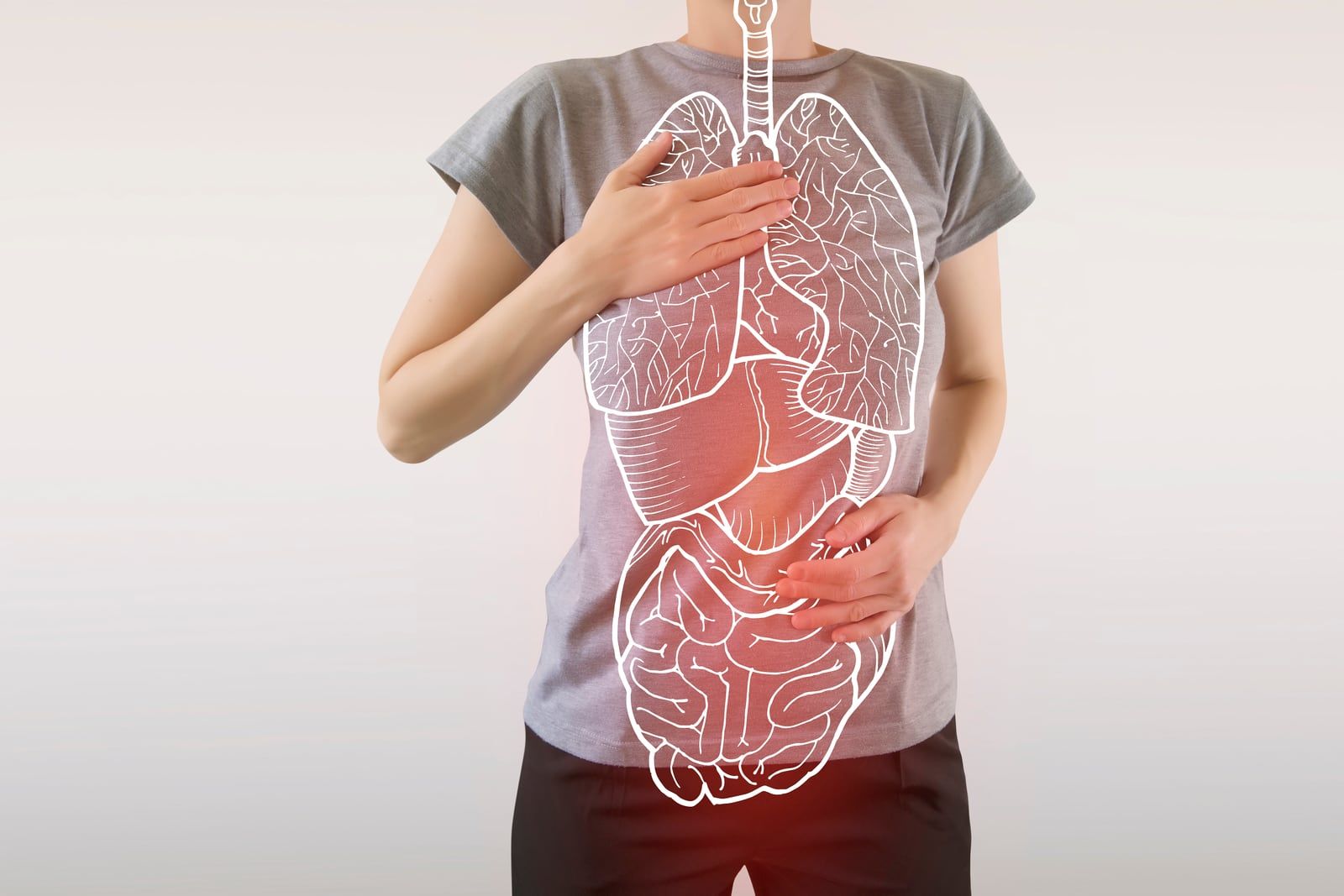
Endometriosis is a disease in which tissue similar to the lining of the uterus grows outside the uterus, causing inflammation and scar tissue. There is no known cure yet, but its symptoms can be treated.1
You are not alone
Common symptoms
Symptoms can include:1
- Severe pain with periods
- Heavy periods
- Pelvic pain that doesn’t go away when your period ends
- Pain with sex, bowel movements, or urination
- Fatigue
- Trouble getting pregnant
Where physical therapy fits
Your doctor diagnoses endometriosis and treats it with medicine, surgery, or both.1 Physical therapy works alongside that care, not in place of it.
Tight, painful pelvic floor muscles are common with endometriosis. In one study, pelvic floor muscle spasms were more common in women with deep endometriosis than in women without it.2
Early research is encouraging. A recent review found that physical therapy reduced endometriosis-related pain compared with no physical therapy,3 and in a small trial, pelvic floor physical therapy improved pain with sex and pelvic pain.4 The research is still young: Europe’s endometriosis guideline says the benefits of non-medical treatments like physical therapy aren’t yet clear.5
How we can help
Pelvic floor relaxation
Hands-on myofascial release and breathing work to help tight, painful muscles let go.
Pain with sex
Gentle, step-by-step care for pain with intercourse, at your pace.
Bladder and bowel
Help with painful urination, urgency, and bowel symptoms that can come with endometriosis.
A team approach
With your permission, we collaborate with your healthcare team to aid you in your health and healing journey.
Endometriosis, explained
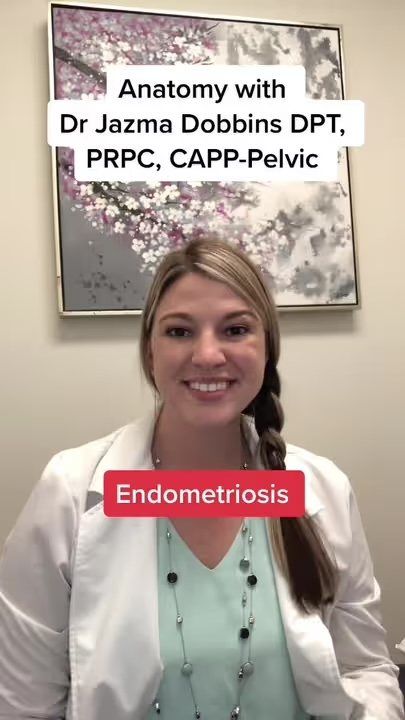
Short videos from Dr. Jazma’s TikTok, where 175K+ people follow her for straight talk about pelvic health.


Questions we hear
Can physical therapy cure endometriosis?
No. Doctors treat endometriosis itself with medicine or surgery.1 Physical therapy may help with the pain that often comes with it.3
Are painful periods normal?
Common doesn’t equal normal. Severe period pain is a symptom of endometriosis,1 so if your periods are very painful, talk with your doctor.
Sources
- Endometriosis (fact sheet). World Health Organization. Accessed November 2026. (opens in a new tab)
- Assessment of pelvic floor muscles in women with deep endometriosis. Archives of Gynecology and Obstetrics (Dos Bispo et al.), 2016. (opens in a new tab)
- Physiotherapy for endometriosis-associated pelvic pain: a systematic review and meta-analysis. Pain Medicine (Can et al.), 2026. (opens in a new tab)
- Assessment of levator hiatal area using 3D/4D transperineal ultrasound in women with deep infiltrating endometriosis and superficial dyspareunia treated with pelvic floor muscle physiotherapy: randomized controlled trial. Ultrasound in Obstetrics & Gynecology (Del Forno et al.), 2021. (opens in a new tab)
- ESHRE guideline: endometriosis. Human Reproduction Open (European Society of Human Reproduction and Embryology), 2022. (opens in a new tab)